


Caffeine, the world’s most widely consumed stimulant, powers millions of people through their daily routines. Whether it’s that morning cup of coffee or an energy drink during the afternoon slump, caffeine is deeply ingrained in modern life. But what happens when you decide it’s time to quit or cut back? Detoxing from caffeine safely is essential to avoid withdrawal symptoms, anxiety, and other unwanted side effects.
In this article, we’ll guide you through how to detox from caffeine safely, exploring effective strategies, expert tips, and the science behind caffeine withdrawal. Understanding the detox process will help you feel in control and ensure a smoother transition. Let’s dive in!
What Are the Symptoms of Caffeine Withdrawal?
Answer: Caffeine withdrawal can lead to headaches, fatigue, irritability, and difficulty concentrating. These symptoms typically begin within 12-24 hours after reducing or stopping caffeine intake.
When you cut back on caffeine, your body may react with a variety of withdrawal symptoms. This is because caffeine is a stimulant that affects your central nervous system. The withdrawal process can range from mild to severe depending on how much caffeine you consume and how abruptly you stop.
- Headaches: One of the most common symptoms, often described as dull or throbbing.
- Fatigue: Without caffeine’s stimulating effect, many experience a noticeable drop in energy.
- Irritability: You may feel agitated or moody due to the lack of your regular caffeine fix.
- Difficulty concentrating: Cognitive function may be impaired as your brain adjusts to the absence of caffeine.
- Low mood or depression: Some people report feeling down or anxious during the detox period.
How Long Does Caffeine Detox Last?
Answer: The detox process can last anywhere from 2-9 days, depending on your caffeine consumption and detox method.
Most people will experience the worst symptoms of withdrawal in the first 2-3 days after reducing or quitting caffeine. After this initial period, symptoms typically start to improve. By the end of the first week, most of the physical symptoms should be gone, though some individuals may experience residual fatigue for a longer period.
What Is the Best Way to Detox From Caffeine?
Answer: The best way to detox from caffeine is through gradual reduction. This minimizes withdrawal symptoms and helps your body adjust more comfortably.
Instead of quitting caffeine cold turkey, it’s advisable to taper your intake. Gradually reducing your caffeine consumption over several days allows your body to adjust to the decreased stimulant levels. Here are some step-by-step strategies to detox from caffeine safely:
- Step 1: Track your current caffeine intake. Begin by monitoring how much caffeine you consume daily. This includes coffee, tea, sodas, and energy drinks.
- Step 2: Gradually reduce your intake. Decrease your daily caffeine intake by 10-25% every 3-4 days. This can help reduce the intensity of withdrawal symptoms.
- Step 3: Replace caffeine with healthier alternatives. Swap out caffeinated beverages for herbal teas or decaffeinated coffee. Staying hydrated with water is also important.
- Step 4: Get enough sleep and rest. With less caffeine stimulating your system, ensure you’re getting adequate sleep to help restore your energy levels naturally.
- Step 5: Exercise regularly. Physical activity boosts your energy and mood, helping to counteract the fatigue that comes with detoxing.
What Are the Risks of Stopping Caffeine Cold Turkey?
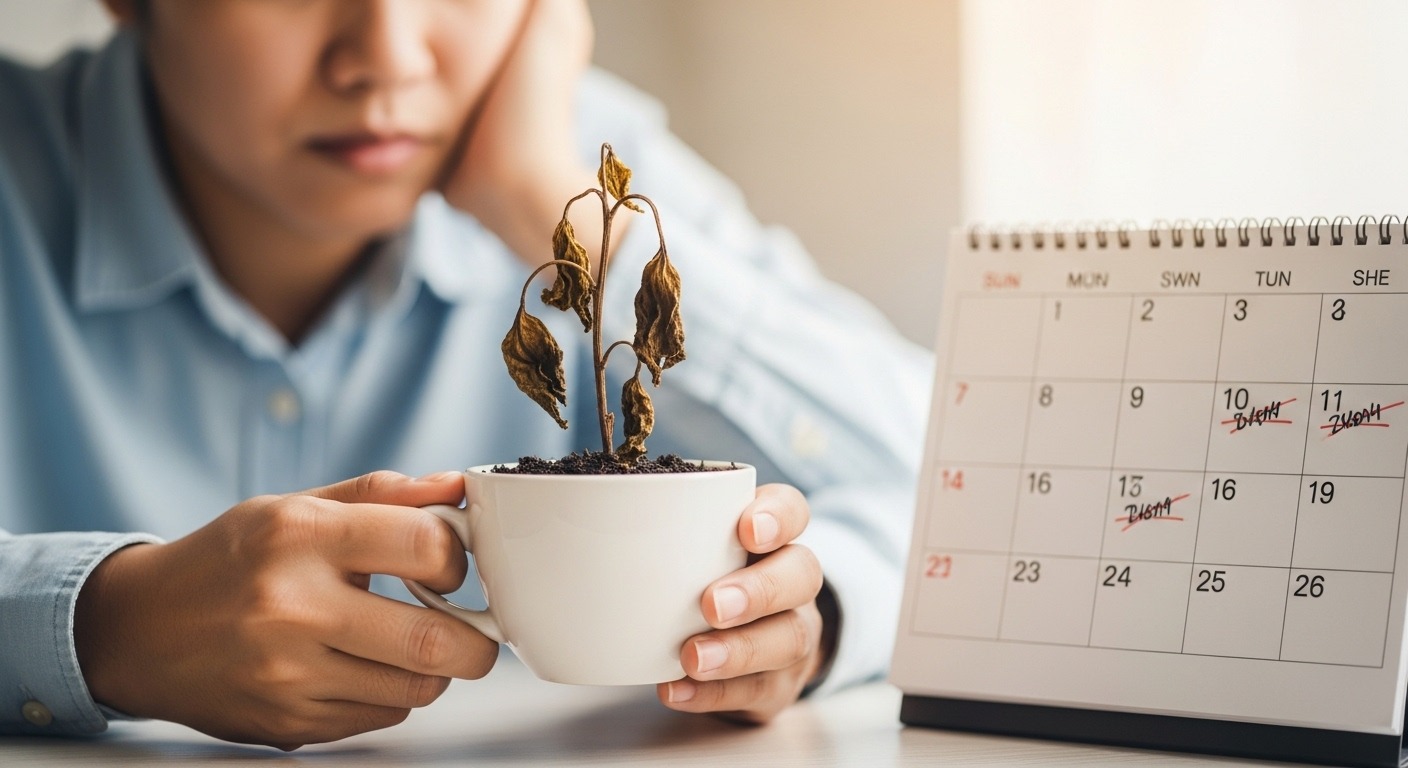
Answer: Quitting caffeine abruptly can lead to intense withdrawal symptoms like severe headaches, extreme fatigue, and irritability.
While it may be tempting to quit caffeine cold turkey, doing so can be a difficult and uncomfortable experience. Abrupt caffeine cessation can cause your body to experience stronger withdrawal effects, such as:
- Intense headaches: As your body adjusts to the absence of caffeine, you may experience debilitating headaches.
- Severe fatigue: Without the stimulating effects of caffeine, you may feel excessively tired or even exhausted.
- Increased anxiety: The sudden loss of caffeine can lead to heightened anxiety or nervousness, as your nervous system struggles to adjust.
- Difficulty functioning: In the first few days, you may find it hard to focus or carry out daily tasks.
For most people, a gradual reduction is much easier and more manageable. This method allows your body to adapt and helps avoid many of the negative effects associated with a rapid withdrawal.
Can I Still Drink Tea or Coffee During Detox?
Answer: Yes, you can still drink tea or coffee, but opt for lower-caffeine alternatives or decaffeinated versions to ease the detox process.
If you’re a coffee lover, you may not want to completely give up your favorite beverages during detox. The key is moderation. Instead of eliminating caffeine entirely, switch to decaffeinated coffee or lower-caffeine teas such as green tea or white tea. This allows you to keep your daily routine while reducing your caffeine intake slowly.
What Foods Can Help Ease Caffeine Withdrawal Symptoms?
Answer: Foods rich in magnesium, potassium, and B vitamins can help manage symptoms like fatigue and irritability during detox.
During your caffeine detox, it’s helpful to eat foods that support your body’s natural detox process and help stabilize your energy levels. Some beneficial foods include:
- Leafy greens: Spinach and kale are rich in magnesium, which helps ease muscle tension and promotes relaxation.
- Bananas: Full of potassium, bananas can help replenish lost electrolytes and reduce fatigue.
- Oats: A slow-burning carbohydrate that can keep you energized throughout the day without the caffeine crash.
- Nuts and seeds: Packed with B vitamins and healthy fats, these foods can support your energy levels during the detox process.
How Do I Stay Motivated During Caffeine Detox?
Answer: Stay motivated by setting small, achievable goals and tracking your progress. Celebrate the wins along the way!
Detoxing from caffeine can be a challenging process, but it’s important to stay focused on your end goal. To help stay motivated, try these strategies:
- Set a clear goal: Whether it’s reducing your caffeine intake or eliminating it entirely, knowing your goal will keep you on track.
- Track your progress: Keep a journal of your daily caffeine consumption and withdrawal symptoms to see how far you’ve come.
- Reward yourself: After each milestone, reward yourself with something that makes you feel good (e.g., a relaxing bath or a nice dinner).
Conclusion
Detoxing from caffeine doesn’t have to be an overwhelming or painful experience. By gradually reducing your intake, staying hydrated, and making mindful lifestyle changes, you can minimize withdrawal symptoms and reset your body. Remember, it’s important to listen to your body and be patient throughout the process. The rewards—better sleep, improved energy, and a calmer mind—are worth the effort. So, take it step by step and detox from caffeine safely!
Call to Action: Interested in learning more about healthy lifestyle choices? Subscribe to our newsletter for expert tips and advice delivered directly to your inbox!
FAQ
1. How long does it take to detox from caffeine?
Typically, caffeine detox lasts between 2 to 9 days, with the worst symptoms occurring in the first 2-3 days.
2. Can I quit caffeine cold turkey?
While you can quit cold turkey, it’s better to gradually reduce your intake to minimize withdrawal symptoms.
3. Will I feel tired during caffeine detox?
Yes, fatigue is one of the most common symptoms of caffeine withdrawal, especially in the first few days.
4. Can herbal teas help during caffeine detox?
Yes, herbal teas like chamomile or peppermint can be soothing and offer a relaxing alternative during detox.
5. Is caffeine detox safe?
Caffeine detox is generally safe, especially if done gradually. However, individuals with certain health conditions should consult a doctor before quitting caffeine.
6. Can I still drink decaf coffee during detox?
Yes, decaffeinated coffee can be a good substitute during detox as it contains minimal caffeine.
Read More Also: How to DIY Homemade Suppositories for Health: Non-Toxic Wellness Ideas
Find out: How to Get Glowing Skin Naturally Without Skincare Products



+ There are no comments
Add yours